
Photo by @rickpsd on Unsplash
A weekend break in Europe is one of the easiest holidays to plan and one of the most rewarding. Leave after work on a Friday, spend two full days in a different country and be back at your desk on Monday with a head full of new streets, food and views. From the South East of England, dozens of European cities are within two or three hours by plane, and several of the best can be reached by train without going near an airport.
This guide brings together everything we have written about short European trips. It covers the best cities for two or three nights, how to choose between them, when to go, how to keep the cost down and how to get there from Brighton, Sussex and the rest of the South East. Each section links to a more detailed guide when you are ready to plan.
Quick picks: the best weekend break for you
- Best for first timers: Amsterdam or Paris, both close, compact and easy to enjoy in two days.
- Best on a budget: Prague, Krakow or Budapest, where food, drink and hotels cost less than in western Europe.
- Best for romance: Venice, Paris or Bruges.
- Best for sunshine: Seville, Lisbon or Malta, especially in spring and autumn.
- Best without flying: Paris, Brussels, Bruges, Lille or Amsterdam by Eurostar.
- Best for food: Rome and Lisbon.
- Best for nightlife and culture: Berlin and Dublin.
What makes a good weekend break destination?
Two or three nights is not long, so the best weekend cities share a few practical features. Looking for these will save you from spending half the trip in transit.
- A short journey. A flight of under three hours, or a direct train, leaves you enough time to enjoy the place.
- An airport or station close to the centre. A cheap flight to a remote airport can add two hours and a costly transfer at each end.
- A walkable centre. Cities where the main sights sit close together are ideal, because you waste no time on long journeys across town.
- Useful flight times. An early flight out and a late flight home can turn two nights into nearly three full days.
- Something for the season. Outdoor cities shine in spring and autumn, while places with great museums, food and markets work well in winter.
Our main city breaks guide goes further into how to choose a city, how long to stay and how to save money.
The best European cities for a weekend break
These are the cities we recommend most often for a short trip from the UK. Flight times are approximate and measured from London.
Amsterdam
Amsterdam is just over an hour away by air and around four hours by direct Eurostar. The canal ring, the big museums and the brown cafes are all within walking or cycling distance, which makes it a natural two night city. Book the major museums ahead, because the popular time slots sell out. Read our full weekend in Amsterdam guide, or see Eurostar to Amsterdam if you would rather take the train.
Paris
Paris is the classic weekend break and the easiest to reach by train, at a little over two hours from London St Pancras. With two days you can cover the big sights at a gentle pace and still have time to sit outside a cafe. Our guide to the best time to visit Paris will help you pick a month, and flights to Paris or Eurostar compares the two ways of getting there. Families may prefer Disneyland Paris by Eurostar.
Rome
Rome is around two and a half hours by air and rewards even a short visit, because so many of its ancient sites, squares and churches are in the historic centre. Go in spring or autumn if you can, as high summer is hot and crowded. We have three guides to help: a weekend in Rome, a three day Rome itinerary and a cheap weekend in Rome.
Venice
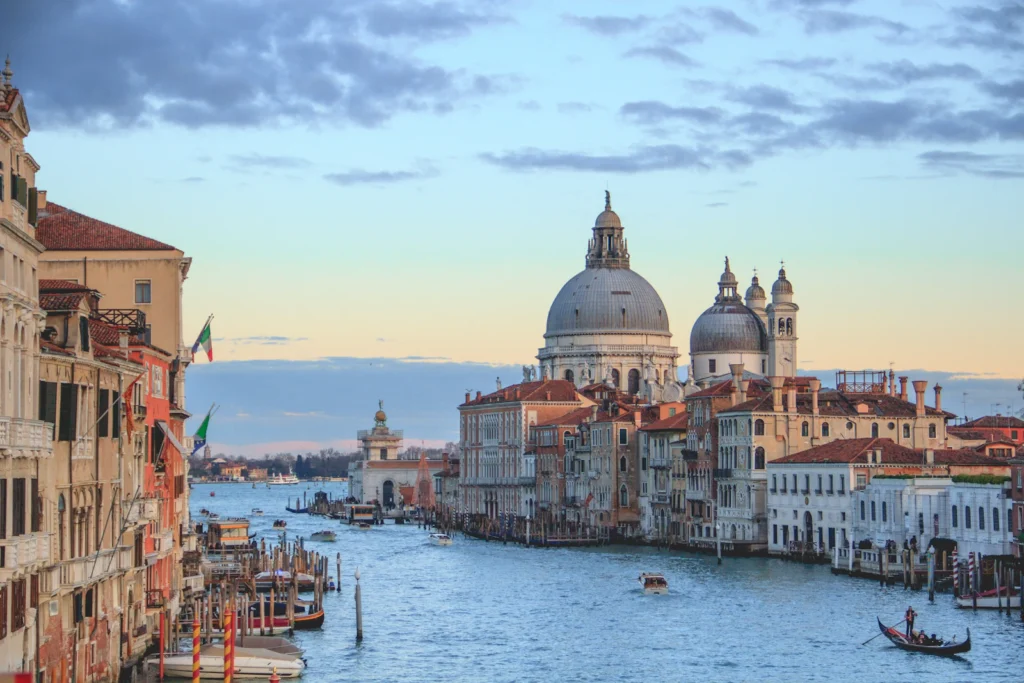
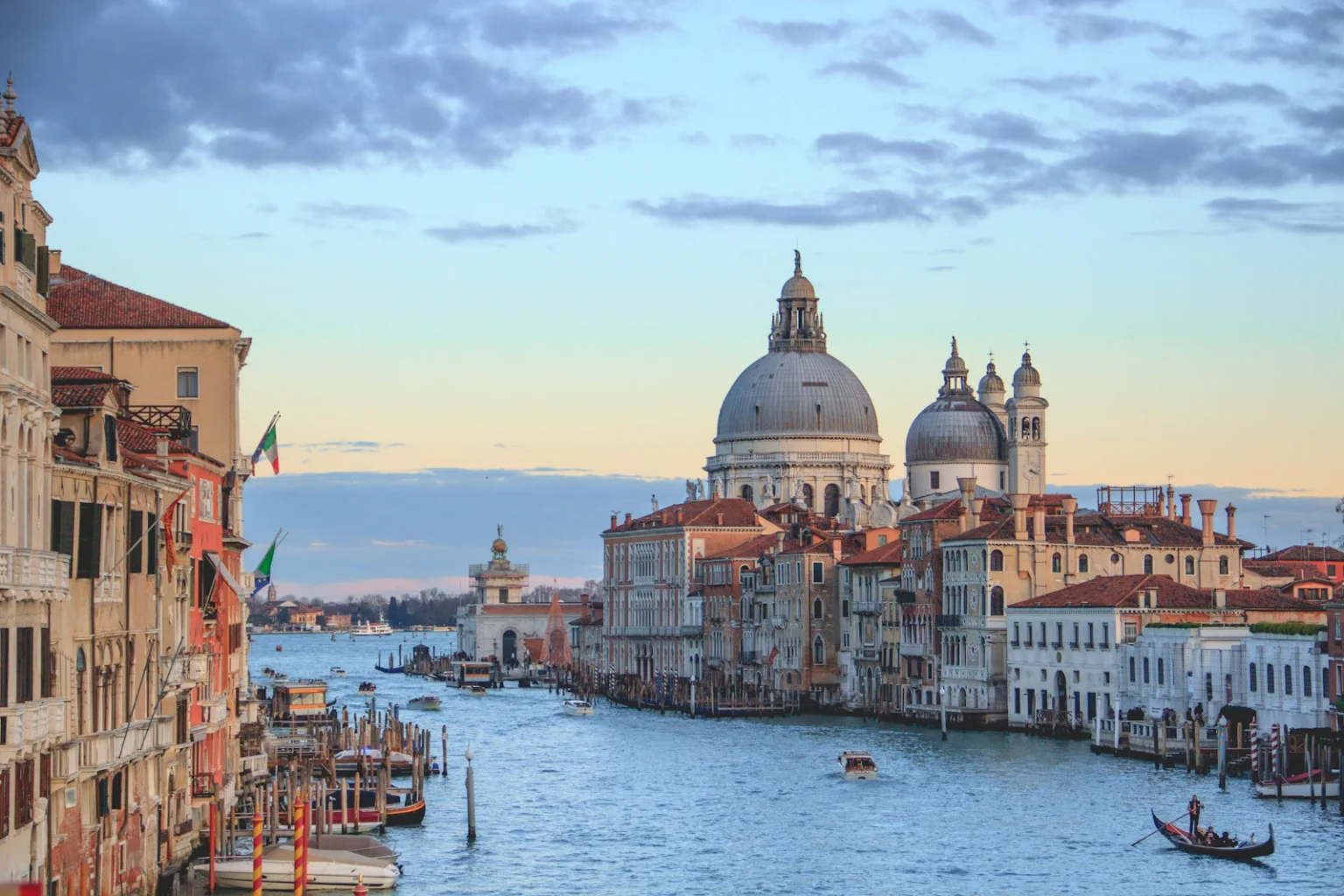
Venice is about two hours away and unlike anywhere else. It is small enough to explore on foot and by water bus in a weekend, and it is at its best outside the summer peak when the lanes are quieter. Our weekend in Venice guide covers where to stay and how to avoid the worst of the crowds.
Prague
Prague offers one of the most beautiful old towns in Europe at prices well below those of Paris or Amsterdam. The flight takes around two hours, and the castle, the Charles Bridge and the Old Town Square can all be reached on foot. See our cheap weekend in Prague guide for a realistic plan.
Budapest
Budapest combines grand architecture on the Danube with thermal baths, ruin bars and good value food. It is roughly two and a half hours by air. A weekend is enough for the highlights on both sides of the river. Start with our weekend in Budapest guide, or plan a slower trip with a spa weekend in Budapest.
Berlin
Berlin is under two hours away and suits travellers who like history, galleries, street food and nightlife. It is a large city, so choose a central base and plan each day around one or two districts. Our weekend in Berlin guide suggests how to divide your time.
Dublin
Dublin is one of the shortest flights from the UK at well under an hour and a half, with frequent departures from airports across the South East. It is friendly, compact and built for a sociable weekend of pubs, music and history. Read our weekend in Dublin guide for ideas.
Lisbon
Lisbon is a little under three hours away and one of the sunniest capitals in Europe. Its hills, trams, tiled streets and seafood make it a superb choice from spring through to late autumn, and winters are mild. See the best time to visit Lisbon and our guide to flights to Lisbon from the UK.
Barcelona
Barcelona gives you a city break and a beach in the same trip. The flight is a little over two hours, the airport is close to the centre and the mix of Gaudi architecture, markets and late dinners fills a weekend easily. Our guide to flights to Barcelona explains how to find a good fare.
Seville
Seville is the place for warm weather outside summer, with orange trees, tapas bars and one of the finest old quarters in Spain. It is very hot in July and August, so spring and autumn are the times to go. Our guide to how many days you need in Seville will help you decide between two nights and three.
Krakow
Krakow is another excellent value choice, with a handsome medieval centre, a huge market square and a lively food scene. The flight takes around two and a half hours. Check the best time to visit Krakow before you book, as the seasons feel very different.
Bruges and Brussels
Belgium is ideal for a weekend by train. Brussels is around two hours from London by Eurostar, and Bruges, with its canals, chocolate shops and cobbled squares, is a short onward journey. See Eurostar to Brussels and London to Bruges by train.
Malta
Malta is at the far end of the range for a weekend, at a little over three hours by air, but it works well for a long weekend of three or four nights. You get sunshine for much of the year, English is widely spoken and the walled capital, Valletta, is easy to explore on foot. Read our weekend in Malta guide and our advice on flights to Malta.
Weekend breaks by train
You do not have to fly. Eurostar trains run directly from London St Pancras to Paris, Lille, Brussels, Rotterdam and Amsterdam, and each of those cities connects to many more. The train takes you from city centre to city centre, check-in is quicker than at an airport and there are no liquid limits or strict cabin bag sizes to worry about.
For travellers in Sussex the train is especially convenient, because Thameslink runs directly from Brighton to St Pancras. Our guide to Eurostar destinations from London lists the options, and how to find cheaper Eurostar tickets explains when to book. If the idea of rail travel appeals for a longer trip, see Interrail explained.
When to go
Weekend breaks work all year, but the season changes which cities are at their best.
- Spring, from March to May: the best all-round season. Mild weather suits Rome, Seville, Lisbon, Paris and Amsterdam, where the tulip season draws visitors in April.
- Summer, from June to August: long days and outdoor life, but higher prices and bigger crowds. Northern cities such as Berlin, Dublin and Amsterdam are more comfortable than the far south.
- Autumn, in September and October: warm seas in the south and thinner crowds everywhere. See our ideas for where to go in October.
- Winter, from November to February: the cheapest time for flights and hotels outside the festive weeks. Christmas markets light up Prague, Krakow, Budapest and Berlin, and our guide to winter sun destinations has options if you want warmth. For the turn of the year, see new year breaks.
How to plan a weekend break
A short trip leaves little room for mistakes, so a small amount of planning goes a long way.
- Pick your flights by time, not just price. The cheapest fare is poor value if it lands at midnight or leaves at dawn on your last day. Use a comparison tool, as described in our guide to finding cheap flights with Skyscanner.
- Travel with hand luggage only. You will save money and time at both airports. Check the size rules for your airline first: we have guides for Ryanair, easyJet, Jet2 and British Airways, plus a round-up of the best cabin suitcases for budget airlines.
- Stay central. A slightly dearer hotel in the middle of town usually beats a cheap one on the edge, because your time is the scarce resource.
- Book the big sights ahead. Popular museums and monuments often sell timed tickets that run out days or weeks in advance.
- Check your passport and the entry rules. For most European countries your passport must have been issued within the last ten years and be valid for at least three months after you plan to leave. New border systems are also being introduced, which we explain in ETIAS and EES for UK travellers.
- Sort money and cover. Compare cards and cash in our travel money guide, and arrange travel insurance as soon as you book.
What does a weekend break cost?
Prices change constantly, so we do not quote fares here, but the pattern is consistent. Flights are cheapest midweek and outside school holidays, and Friday evening and Sunday evening departures cost the most because everyone wants them. Flying out on a Thursday or home on a Monday can cut the fare sharply. Hotels in eastern and southern Europe cost less than those in Paris, Amsterdam or Dublin, and food and drink follow the same pattern. If budget is the priority, start with our cheap holidays guide and consider Prague, Krakow or Budapest.
Weekend breaks from Sussex and the South East
Living in the South East makes short trips simpler. Gatwick has flights to almost every city in this guide and is around half an hour from Brighton by direct train. Eurostar is one direct train away at St Pancras. Heathrow, Luton and Stansted add even more routes when you need them. Our guide to South East departures compares every airport, port and station in the region, and holidays from Gatwick covers the airport in detail.
If you would rather not leave the country, we also have ideas for weekend breaks from Brighton and the best weekend breaks in the UK.
Related guides
Plan your weekend in Europe
- Compare cheap flights on Aviasales, including departures from Gatwick and other UK airports.
- Find attraction tickets on Tiqets, often with skip the line entry.
- Save with a Go City pass in major European cities.
- Download a self-guided audio tour from WeGoTrip.
These are affiliate links. If you book through them we may earn a small commission at no extra cost to you. See our affiliate disclosure.
Frequently asked questions
What is the best European city for a weekend break?
It depends on what you want. Amsterdam and Paris are the easiest for a first trip, Prague and Krakow offer the best value, Venice and Bruges suit a romantic weekend, and Seville and Lisbon are the best choices for sunshine.
Where can I go for a weekend break without flying?
Eurostar trains run directly from London St Pancras to Paris, Lille, Brussels, Rotterdam and Amsterdam. Bruges is a short onward train ride from Brussels.
How many nights do you need for a city break?
Two nights is enough for compact cities such as Amsterdam, Bruges, Prague and Dublin. Three nights is better for larger cities such as Rome, Berlin and Lisbon, or for places with a longer flight such as Malta.
What is the cheapest city break in Europe?
Cities in central and eastern Europe, such as Krakow, Prague and Budapest, are usually among the cheapest for hotels, food and drink. Flight prices vary with the season, so compare dates before you choose.
When is the cheapest time to book a weekend break?
Prices are usually lowest in winter outside the Christmas and new year period, and for trips that avoid school holidays. Flying on a Thursday or Monday instead of a Friday or Sunday often saves money.
Do I need a visa for a weekend in Europe?
UK passport holders can currently visit most European countries for short stays without a visa, but your passport must meet the validity rules and new entry systems are being introduced. Always check the official advice for your destination before you travel.
Which airport is best for weekend breaks from Brighton?
Gatwick is the most convenient. It is around half an hour from Brighton by direct train and has flights to most major European cities.